
В современном мире строительства и ремонта домов все больше внимания уделяется материалам, которые обеспечивают не только эстетическую привлекательность, но и исключительную прочность, долговечность и устойчивость к различным воздействиям. Одним из таких инновационных материалов является стекловолоконная пряжа. Этот продукт, созданный на основе стекловолокна, открывает новые горизонты для архитекторов, строителей и домовладельцев, желающих построить или модернизировать свой дом с использованием передовых технологий. В этой статье мы подробно рассмотрим, что такое стекловолоконная пряжа, ее свойства, преимущества, области применения, а также дадим практические рекомендации по ее использованию. Мы углубимся в историю развития материала, сравним его с традиционными альтернативами и представим реальные примеры успешного применения в строительных проектах. Наша цель – предоставить вам исчерпывающую информацию, которая поможет сделать informed decision при выборе материалов для вашего дома.
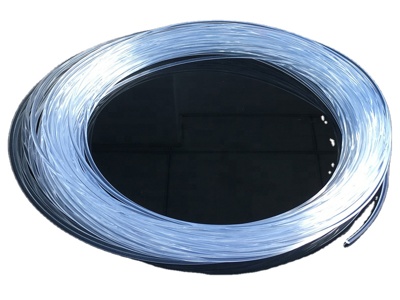
Стекловолоконная пряжа – это текстильный материал, изготовленный из тонких нитей стекловолокна, которые скручены или сплетены в единую структуру. Стекловолокно itself производится путем вытягивания расплавленного стекла в ultra-thin fibers, диаметр которых может составлять от нескольких микрометров до десятков микрометров. Эти волокна обладают высокой прочностью на разрыв, низкой плотностью и excellent resistance к химическим и environmental factors. Пряжа из стекловолокна typically используется в качестве армирующего компонента в композитных материалах, таких как стеклопластик, или самостоятельно в applications, где требуется reinforcement и durability.
История стекловолокна начинается в 1930-х годах, когда researchers discovered, что тонкие стеклянные нити могут быть produced в industrial масштабах. С тех пор technology значительно advanced, и today стекловолоконная пряжа выпускается в various forms: однонаправленная, twisted, или woven into fabrics. Key properties включают high tensile strength (до 3400 MPa для некоторых types), low thermal expansion, non-flammability, и resistance к moisture, UV radiation, и chemicals. Это делает ее ideal для use в harsh conditions, таких как coastal areas с high salinity или industrial environments.
В строительстве стекловолоконная пряжа often применяется для reinforcement бетонных конструкций, production стеклопластиковых panels, или как component в systems утепления и soundproofing. Ее flexibility allows for easy integration into various designs, while its durability ensures long-term performance. Compared to traditional materials like steel reinforcement, стекловолоконная пряжа offers advantages such as lighter weight, corrosion resistance, и easier handling, что can reduce labor costs и improve overall efficiency строительных projects.
Использование стекловолоконной пряжи в домостроении brings numerous benefits that can enhance the quality, safety, and longevity of your home. Let's delve into the key advantages.
Одним из primary advantages стекловолоконной пряжи является ее exceptional strength. With a tensile strength that can exceed that of steel on a weight-for-weight basis, it provides robust reinforcement for structural elements. This means that constructions reinforced with glass fiber yarn are less prone to cracking, deformation, or failure under load. Additionally, the material does not corrode like metal reinforcements, which is a common issue in humid or saline environments. This corrosion resistance ensures that the integrity of the structure remains intact for decades, reducing the need for frequent repairs or replacements.
Durability is further enhanced by the material's resistance to environmental factors. Glass fiber yarn is immune to rot, mold, and insect damage, which are typical problems with organic materials like wood. It also withstands extreme temperatures, from freezing cold to intense heat, without losing its properties. This makes it suitable for use in various climates, from arctic regions to tropical zones. In practical terms, a home built or renovated with glass fiber yarn reinforcement will have a longer lifespan and lower maintenance costs over time.
Another significant benefit is the light weight of glass fiber yarn. Compared to traditional reinforcement materials such as steel rebar, it is much lighter, which simplifies transportation, handling, and installation. This can lead to reduced labor costs and faster construction times. For DIY enthusiasts or small-scale projects, the ease of cutting, shaping, and placing glass fiber yarn makes it accessible even without specialized equipment. It can be easily integrated into concrete pours, plaster applications, or composite panels without adding excessive weight to the structure.
The flexibility of the yarn allows it to conform to complex shapes and curves, which is particularly useful in modern architectural designs that feature non-standard forms. This adaptability ensures that reinforcement is effective even in intricate details, enhancing overall structural integrity. Moreover, the material is non-conductive, reducing risks associated with electrical hazards during installation or in the finished structure.
Glass fiber yarn also contributes to improved thermal and acoustic insulation. When used in insulation products, such as batts or rolls, it helps to reduce heat transfer, keeping homes warmer in winter and cooler in summer. This can lead to significant energy savings on heating and cooling bills. The material's fibrous structure traps air, which is a poor conductor of heat, enhancing its insulating properties.
In terms of soundproofing, glass fiber yarn absorbs sound waves, reducing noise transmission between rooms or from external sources. This is especially beneficial in urban areas or multi-family buildings where noise can be a nuisance. By incorporating glass fiber yarn into walls, ceilings, or floors, homeowners can create a more comfortable and quiet living environment.
Sustainability is an increasingly important consideration in construction. Glass fiber yarn is made from abundant raw materials, primarily silica sand, which is readily available. The production process has become more energy-efficient over time, and many manufacturers are implementing recycling programs to reuse waste material. Additionally, the longevity and durability of glass fiber-reinforced structures mean less frequent replacements, reducing the overall environmental impact over the life cycle of a building.
Unlike some synthetic materials, glass fiber is inert and does not off-gas harmful chemicals, contributing to better indoor air quality. It is also recyclable at the end of its life, though this requires specialized facilities. By choosing glass fiber yarn, homeowners can support greener building practices without compromising on performance.
Glass fiber yarn finds a wide range of applications in residential construction, from structural reinforcement to finishing touches. Here are some of the most common uses.
One of the primary applications is in reinforcing concrete structures. Glass fiber yarn can be used as a replacement for traditional steel rebar in certain scenarios, particularly where corrosion is a concern, such as in foundations, walls, or slabs exposed to moisture. It is often employed in the form of meshes or fabrics that are embedded in concrete to enhance tensile strength and prevent cracking. This is especially useful in areas prone to seismic activity, as the flexibility of glass fiber can help structures absorb shocks better than rigid steel.
For example, in bathroom or kitchen renovations, glass fiber reinforcement can be added to cement boards or plaster to create durable, water-resistant surfaces. It is also used in outdoor applications like driveways or patios, where exposure to the elements requires materials that won't deteriorate over time.
Glass fiber yarn is a key component in the production of fiberglass-reinforced plastic (FRP) panels. These panels are lightweight, strong, and resistant to impact, making them ideal for roofing, siding, or interior partitions. FRP panels can be molded into various shapes and finishes, offering design flexibility while providing excellent durability. They are often used in modern homes for their aesthetic appeal and low maintenance requirements.
In addition to structural panels, glass fiber yarn is used in composite materials for doors, windows, and other fixtures, where its strength helps prevent warping or damage. This application is particularly popular in high-humidity areas like bathrooms or basements, where traditional materials might fail.
As mentioned earlier, glass fiber yarn is widely used in insulation products. It can be found in batts, rolls, or loose-fill insulation that is installed in attics, walls, and floors to improve energy efficiency. The yarn's ability to trap air makes it an effective insulator, and its non-combustible nature adds a layer of fire safety to the home.
For soundproofing, specialized acoustic panels made with glass fiber yarn are used to line walls or ceilings in home theaters, recording studios, or bedrooms. These panels absorb sound waves, reducing echo and noise transmission, which enhances comfort and privacy.
In finishing applications, glass fiber yarn is used in joint tapes or mesh for drywall installation. These products help to reinforce seams and prevent cracking in walls and ceilings. They are easy to apply with standard drywall compounds and provide a smooth, durable surface for painting or wallpapering.
For repair work, glass fiber yarn can be used with epoxy resins to patch cracks in concrete, wood, or other materials. This is a cost-effective way to extend the life of existing structures without full replacement. DIY kits are available for small repairs, making it accessible to homeowners.
To fully appreciate the value of glass fiber yarn, it's helpful to compare it with traditional building materials like steel, wood, and synthetic fibers.
Steel rebar has long been the standard for concrete reinforcement due to its high strength. However, it is heavy, prone to corrosion (especially in wet environments), and requires protective coatings or cathodic protection to maintain integrity. Glass fiber yarn, on the other hand, is lightweight, corrosion-resistant, and does not conduct electricity, reducing the risk of stray current corrosion. While steel may have higher absolute strength, glass fiber offers better performance per weight and in corrosive conditions. Cost-wise, glass fiber can be more expensive upfront but may save money in the long run due to reduced maintenance and longer lifespan.
Wood is a traditional building material valued for its natural beauty and renewability. However, it is susceptible to rot, insects, and fire. Glass fiber yarn, when used in composites, can mimic the appearance of wood while providing superior durability and resistance to these issues. For example, fiberglass doors or window frames offer the aesthetic of wood without the maintenance headaches. In terms of sustainability, wood is biodegradable, but glass fiber can be recycled, though the processes are less established.
Synthetic fibers like polyester or nylon are sometimes used in construction for reinforcement or insulation. While they share some properties with glass fiber, such as light weight, they often have lower temperature resistance and can degrade under UV exposure. Glass fiber maintains its properties over a wider range of conditions and is generally more durable. However, synthetic fibers may be cheaper and easier to produce in some cases.
If you're considering using glass fiber yarn in your home project, here are some practical tips to ensure success.
Not all glass fiber yarn is created equal. Depending on your application, you may need different types, such as E-glass for general purpose, S-glass for high strength, or AR-glass for alkali resistance in concrete. Consult with suppliers or experts to select the right product for your needs. Consider factors like yarn weight, twist level, and coating (e.g., silane for better adhesion to resins).
Handling glass fiber yarn can release fine particles that may irritate the skin, eyes, or respiratory system. Always wear protective gear, including gloves, safety glasses, and a mask, when cutting or installing the material. Work in well-ventilated areas to minimize inhalation risks. After handling, wash exposed skin thoroughly to remove any fibers.
For reinforcement in concrete, ensure the yarn is properly positioned and fully encapsulated to prevent exposure that could lead to damage. Use compatible materials, such as epoxy resins for bonding, and follow manufacturer instructions for mixing and application. In insulation applications, install batts or rolls snugly between studs to avoid gaps that reduce effectiveness.
One of the benefits of glass fiber yarn is its low maintenance. However, periodic inspections are recommended to check for any damage or degradation, especially in high-stress areas. Clean surfaces with mild detergents; avoid abrasive cleaners that could scratch or weaken the material. For composite products, follow specific care guidelines provided by the manufacturer.
To illustrate the effectiveness of glass fiber yarn, let's look at some real-world examples.
In a coastal home in Florida, USA, traditional steel reinforcement in the foundation was corroding due to saltwater exposure. The homeowners opted to use glass fiber yarn mesh embedded in new concrete for repairs. After five years, no signs of corrosion or cracking have appeared, demonstrating the material's resistance to harsh conditions. The project cost was higher initially but saved money on future repairs.
A family in Germany renovated their old house to improve energy efficiency. They installed glass fiber insulation in the walls and attic, reducing heat loss by 30%. Combined with other upgrades, their heating bills decreased significantly, and the home became more comfortable year-round. The non-irritating nature of modern glass fiber products made installation safe and straightforward.
An architect in Russia used glass fiber-reinforced panels for interior walls in a luxury apartment. The panels provided a smooth, durable surface that was easy to paint and customize. Their light weight allowed for creative designs without structural concerns, and the soundproofing properties enhanced privacy between rooms.
Стекловолоконная пряжа представляет собой versatile и high-performance material that can significantly enhance the strength, durability, and efficiency of your home. Whether you're building from scratch, renovating, or making repairs, its advantages over traditional materials make it a worthwhile investment. By understanding its properties and applications, you can make informed decisions that lead to a safer, more comfortable, and longer-lasting living space. Embrace innovation in construction – your home deserves the best.
Для получения дополнительной информации или консультации, обратитесь к профессионалам в вашем регионе. Стекловолоконная пряжа – это шаг в будущее домостроения.