


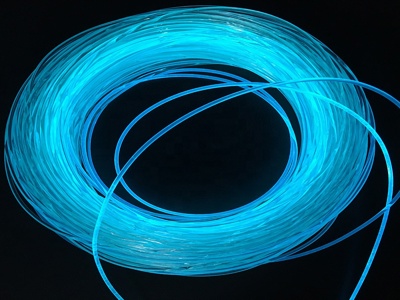
Введение в мир композитных волокон открывает двери к инновациям, которые переопределяют наше понимание материалов. Эти материалы, сочетающие в себе различные компоненты для создания превосходных свойств, уже сегодня находят применение в аэрокосмической, автомобильной, строительной и многих других отраслях. Их уникальная способность быть легкими, прочными и устойчивыми к коррозии делает их незаменимыми в современной инженерии. В этой статье мы глубоко погрузимся в суть композитных волокон, исследуя их историю, типы, производственные процессы, преимущества, вызовы и будущие тенденции. Мы также рассмотрим, как они способствуют устойчивому развитию и какие новые горизонты открывают для науки и промышленности. Приготовьтесь к увлекательному путешествию по миру материалов, которые формируют наше будущее.
Композитные волокна не являются новинкой; их корни уходят в древние времена, когда люди использовали натуральные материалы, такие как солома в глине для укрепления строительных конструкций. Однако современная эра композитных волокон началась в середине XX века с развитием синтетических материалов. Первые значительные прорывы произошли в 1950-х годах с изобретением стекловолокна, которое быстро нашло применение в военной и аэрокосмической промышленности благодаря своей легкости и прочности. В 1960-х годах появилось углеродное волокно, первоначально разработанное для использования в космических программах, таких как Apollo, где требовались материалы с исключительными механическими свойствами и термостойкостью. С тех пор прогресс в химии и инженерии привел к созданию новых типов волокон, включая арамидные (например, Kevlar), борные и гибридные композиты. Развитие компьютерного моделирования и аддитивных технологий в XXI веке further ускорило инновации, позволяя проектировать и производить композитные материалы с беспрецедентной точностью. Сегодня композитные волокна являются краеугольным камнем advanced материаловедения, с постоянными исследованиями, направленными на улучшение их производительности, снижение costs и расширение областей применения. Этот исторический контекст подчеркивает, как композитные волокна эволюционировали от простых укрепляющих агентов к sophisticated материалам, способным revolutionize промышленность.
Композитные волокна можно классифицировать на основе их состава и структуры. Основные типы включают стекловолокно, углеродное волокно, арамидное волокно и натуральные волокна. Стекловолокно, одно из самых распространенных, производится из расплавленного стекла и характеризуется высокой прочностью, низкой стоимостью и хорошей устойчивостью к химическим воздействиям. Оно широко используется в строительстве, automotive и sporting goods. Углеродное волокно, известное своим exceptional отношением прочности к весу, изготавливается из полиакрилонитрила или pitch и предлагает превосходную жесткость и термостойкость, что делает его идеальным для аэрокосмической и high-performance automotive industries. Арамидные волокна, такие как Kevlar, обладают высокой ударной вязкостью и устойчивостью к abrasion, часто применяются в бронежилетах и protective gear. Натуральные волокна, например, льняные или конопляные, gain popularity due to their eco-friendly nature and biodegradability, though they generally have lower mechanical properties compared to synthetic alternatives. Additionally, hybrid composites combine different fibers to leverage their respective strengths, such as mixing carbon and glass fibers for optimized performance and cost. The properties of these fibers are influenced by factors like fiber orientation, matrix material (e.g., epoxy, polyester), and manufacturing process. Understanding these variations is crucial for selecting the right composite for specific applications, as each type offers a unique balance of weight, strength, durability, and environmental impact. This diversity underscores the versatility of composite fibers in addressing a wide range of engineering challenges.
Производство композитных волокон involves sophisticated techniques to ensure high quality and performance. The process typically begins with the creation of the fibers themselves, which can be done through methods like melt spinning for glass fibers or carbonization for carbon fibers. For glass fibers, silica sand is melted and extruded through fine nozzles to form continuous filaments, which are then coated with a sizing agent to improve adhesion to the matrix. Carbon fibers are produced by heating precursor materials (e.g., PAN) in an inert atmosphere to remove non-carbon elements, resulting in a high-purity carbon structure. Once the fibers are ready, they are combined with a matrix material to form the composite. Common manufacturing techniques include hand lay-up, where fibers are manually placed in a mold and impregnated with resin; filament winding, used for cylindrical structures like pipes; and automated processes like resin transfer molding (RTM) and compression molding, which offer higher precision and repeatability. Advanced methods such as additive manufacturing (3D printing) with composite materials are emerging, allowing for complex geometries and customized designs. Quality control is critical throughout production, involving tests for mechanical properties, void content, and fiber alignment. Innovations in nanotechnology and smart manufacturing are further enhancing these processes, enabling the production of composites with embedded sensors or self-healing capabilities. This emphasis on efficient and scalable production is key to making composite fibers more accessible and cost-effective for various industries.
Композитные волокна offer numerous advantages that make them superior to traditional materials like metals and plastics. One of the most significant benefits is their high strength-to-weight ratio; for instance, carbon fiber composites can be up to five times stronger than steel while being much lighter, leading to fuel savings in transportation and increased payload capacity in aerospace. They also exhibit excellent corrosion resistance, unlike metals that can rust or degrade in harsh environments, making them ideal for marine and chemical applications. Additionally, composite fibers provide design flexibility, allowing for complex shapes and integrated functionalities that are difficult to achieve with other materials. Their fatigue resistance and durability ensure long service life, reducing maintenance costs and downtime. From an environmental perspective, composites can contribute to sustainability through lightweighting, which lowers energy consumption, and the use of recyclable or biodegradable variants. Moreover, they offer thermal and electrical insulation properties, which are valuable in electronics and construction. The ability to tailor properties by adjusting fiber type, orientation, and matrix composition allows engineers to optimize materials for specific needs, fostering innovation across sectors. These advantages not only enhance performance but also drive economic growth by enabling new products and applications, solidifying the role of composite fibers as a cornerstone of modern engineering.
Despite their many benefits, composite fibers face several challenges that need to be addressed for wider adoption. One major issue is the high cost of production, particularly for advanced fibers like carbon fiber, which involves energy-intensive processes and expensive raw materials. This cost barrier limits their use to high-value applications unless economies of scale are achieved. Another challenge is recyclability; many composites are difficult to recycle due to the inseparable nature of fibers and matrix, leading to environmental concerns and waste management issues. Research is ongoing to develop recyclable composites and closed-loop recycling systems. Mechanical properties can also be a limitation; for example, composites may be susceptible to impact damage or delamination, requiring careful design and testing. The anisotropic nature of fibers means that properties vary with direction, which can complicate structural analysis and optimization. Additionally, there is a knowledge gap in some industries regarding the handling and processing of composites, necessitating training and education. Standardization and certification processes are still evolving, posing hurdles for regulatory approval in critical sectors like aerospace and healthcare. Finally, the dependency on petroleum-based materials for many composites raises sustainability questions, driving the need for bio-based alternatives. Addressing these challenges through continued R&D, innovation in manufacturing, and collaborative efforts across industries is essential to unlock the full potential of composite fibers.
Композитные волокна find applications across a wide spectrum of industries, demonstrating their versatility and impact. In the aerospace sector, they are used extensively in aircraft structures, such as wings and fuselages, to reduce weight and improve fuel efficiency, with examples including the Boeing 787 Dreamliner, which is over 50% composite by weight. The automotive industry leverages composites for body panels, chassis components, and interior parts to enhance performance and safety while meeting emissions regulations; electric vehicles often use composites to offset battery weight. In construction, composite fibers reinforce concrete, create durable roofing materials, and enable lightweight architectural elements, contributing to seismic resistance and energy efficiency. The sports and leisure industry utilizes composites in equipment like golf clubs, bicycles, and tennis rackets for superior performance and durability. Marine applications include boat hulls and offshore structures that resist corrosion and reduce maintenance. Additionally, composites are vital in renewable energy, such as wind turbine blades that require strength and fatigue resistance. The medical field employs them in prosthetics, implants, and diagnostic equipment due to their biocompatibility and customization capabilities. Even in everyday consumer goods, from smartphones to furniture, composites add value through lightweight and aesthetic designs. This broad adoption highlights how composite fibers are transforming industries by enabling lighter, stronger, and more efficient products, driving innovation and economic growth.
The future of composite fibers is bright, with several emerging trends and innovations set to reshape materials science. One key area is the development of smart composites integrated with sensors, actuators, or self-healing mechanisms, allowing real-time monitoring and adaptive responses to environmental changes. Nanotechnology is playing a pivotal role, with nano-enhanced fibers offering improved mechanical properties, electrical conductivity, and multifunctionality. Sustainable composites are gaining traction, focusing on bio-based fibers (e.g., from flax or bamboo) and recyclable matrices to reduce environmental impact. Additive manufacturing is revolutionizing production, enabling complex, customized parts with minimal waste and shorter lead times. Digital twin technology and AI-driven design are optimizing composite structures for maximum performance and efficiency. In terms of materials, there is ongoing research into new fiber types, such as graphene-based composites, which promise exceptional strength and conductivity. The integration of composites with other advanced materials, like metamaterials, could lead to breakthroughs in fields like energy storage and telecommunications. Additionally, efforts to lower costs through automated manufacturing and scalable processes will make composites more accessible for mass-market applications. Collaborative initiatives between academia, industry, and government are fostering innovation hubs and standards development. These trends indicate that composite fibers will continue to evolve, becoming smarter, greener, and more integral to technological progress, ultimately paving the way for a new era in materials engineering.
Композитные волокна play a significant role in promoting sustainability across various dimensions. By enabling lightweight designs, they contribute to energy savings in transportation, reducing greenhouse gas emissions and fossil fuel consumption. For example, the use of composites in vehicles can lead to a 10-20% reduction in weight, directly translating to lower CO2 emissions. In renewable energy, composites are essential for wind turbine blades, which harness clean energy efficiently due to their durability and performance. The development of recyclable and biodegradable composites addresses end-of-life concerns, minimizing waste and supporting circular economy principles. Bio-based composites, derived from renewable resources like plant fibers, reduce reliance on petroleum and lower the carbon footprint of production. Additionally, composites' longevity and corrosion resistance decrease the need for frequent replacements, conserving resources over time. Life cycle assessments (LCA) are increasingly used to evaluate the environmental impact of composites, guiding improvements in sustainability. However, challenges remain, such as the energy-intensive production of some fibers, which necessitates innovations in green manufacturing processes. Initiatives like the use of solar energy in production facilities or carbon capture technologies can mitigate these impacts. Overall, composite fibers are not only a tool for advanced engineering but also a catalyst for sustainable development, aligning with global goals for a greener future. By continuing to innovate in eco-friendly materials and processes, the composite industry can enhance its positive environmental contribution.
В заключение, композитные волокна представляют собой transformative force в материаловедении, предлагая unparalleled сочетание прочности, легкого веса и универсальности. От своих скромных начал до cutting-edge инноваций, они revolutionized такие отрасли, как аэрокосмическая, automotive и строительная, driving efficiency and enabling new possibilities. Хотя challenges like cost and recyclability persist, ongoing research and technological advancements are steadily addressing these issues, paving the way for broader adoption. The future holds exciting prospects, from smart composites to sustainable alternatives, that will further integrate these materials into our daily lives and global economy. As we move forward, collaboration among scientists, engineers, and policymakers will be crucial to harness the full potential of composite fibers. They are not just materials of the future; they are the building blocks of a smarter, greener, and more advanced world. Embracing this evolution will ensure that composite fibers continue to shape innovation and contribute to a sustainable and prosperous future for all.