


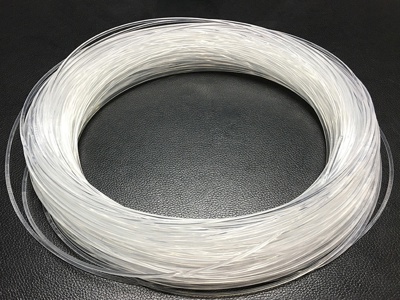
В современную эпоху промышленного развития нетканые материалы стали неотъемлемой частью множества отраслей, от медицины до строительства и автомобилестроения. Их универсальность, экономическая эффективность и экологическая устойчивость делают их предпочтительным выбором для инновационных приложений. Однако ключевым элементом, определяющим качество и функциональность нетканых материалов, являются специальные волокна. Эти волокна, разработанные с использованием передовых технологий и материалов, обеспечивают уникальные свойства, такие как высокая прочность, устойчивость к температурам, химическая инертность и биосовместимость. В этой статье мы подробно рассмотрим, насколько незаменимы специальные волокна для нетканых материалов в современной промышленности, анализируя их роль, преимущества, применения и будущие перспективы.
Нетканые материалы представляют собой текстильные структуры, созданные без традиционного ткачества или вязания. Вместо этого они формируются путем скрепления волокон механическими, химическими или термическими методами. Это позволяет производить материалы с tailored свойствами для specific applications. Специальные волокна, такие как полипропилен, полиэстер, стекловолокно, углеродное волокно и биоволокна, играют crucial роль в этом процессе. Они разрабатываются для обеспечения enhanced performance, включая улучшенную durability, flexibility, и environmental resistance.
Исторически, development нетканых материалов began в mid-20th century с advent синтетических волокон. Однако с technological advancements, special fibers have evolved to include nanomaterials, smart fibers, и biodegradable options. This evolution has significantly expanded the scope of nonwovens, making them indispensable in sectors like healthcare, where they are used in surgical masks, gowns, и wound dressings, или в agriculture для crop protection.
Importance специальных волокон cannot be overstated. Они not only enhance the mechanical properties нетканых материалов но и contribute to sustainability. For example, использование recycled fibers или bio-based материалов reduces environmental impact. In this context, special fibers are drivers of innovation, enabling the creation of products that meet stringent regulatory standards и consumer demands for eco-friendly solutions.
Специальные волокна можно классифицировать на основе их composition, structure, и intended use. Common types include synthetic fibers like polypropylene и polyester, которые offer excellent strength и resistance to moisture. These are widely used in hygiene products such as diapers и sanitary napkins due to their absorbency и softness.
Another category is high-performance fibers, such as aramid fibers (e.g., Kevlar) или carbon fibers, которые provide exceptional tensile strength и heat resistance. These are essential in automotive и aerospace industries for lightweight composites. For instance, carbon fiber-reinforced нетканые материалы used in car interiors reduce weight, improving fuel efficiency.
Natural и bio-based fibers, like cotton, hemp, или PLA (polylactic acid), are gaining popularity due to their biodegradability. Они are used in disposable products, reducing plastic waste. Additionally, smart fibers with embedded sensors или responsive properties are emerging, enabling applications in wearable technology и medical monitoring.
Properties специальных волокон are tailored through chemical modifications или blending. For example, adding antimicrobial agents to fibers makes them suitable for medical applications, preventing infections. Similarly, UV-resistant fibers protect outdoor materials from degradation. The versatility of special fibers allows for customization, meeting the diverse needs of modern industry.
В medical sector, нетканые материалы на основе специальных волокон являются lifesavers. Они used in surgical gowns, masks, и drapes to provide barrier protection against pathogens. Fibers with antimicrobial properties, such as silver-coated fibers, enhance safety by reducing bacterial growth. Additionally, absorbent fibers in wound dressings promote healing by managing exudate.
Innovations like bioresorbable fibers are revolutionizing implantable devices. These fibers degrade safely in the body, eliminating the need for removal surgeries. For example, polydioxanone fibers are used in sutures и scaffolds for tissue engineering. The COVID-19 pandemic highlighted the critical role of nonwovens, with surge in demand for PPE made from special fibers.
Future trends include development of fibers with drug-delivery capabilities, enabling targeted therapy. This demonstrates how special fibers are not just materials but enablers of advanced healthcare solutions.
В construction, нетканые материалы provide insulation, reinforcement, и filtration. Special fibers like glass fiber или polyester are used in geotextiles for soil stabilization и erosion control. These materials are durable, resistant to environmental factors, и cost-effective.
Acoustic и thermal insulation products often incorporate mineral wool fibers, which offer fire resistance и sound absorption. In roofing membranes, fibers enhance waterproofing и longevity. The use of recycled fibers in construction aligns with green building standards, reducing carbon footprint.
As urbanization increases, demand for high-performance construction materials grows. Special fibers enable lightweight, strong composites that withstand seismic activities и extreme weather, making them indispensable for modern infrastructure.
Automotive industry relies on нетканые материалы for interior trim, filtration, и noise reduction. Special fibers contribute to weight reduction, crucial for electric vehicles to extend range. For example, nonwoven headliners made from polyester fibers are lightweight yet durable.
Air и fuel filters use synthetic fibers to trap contaminants, ensuring engine efficiency. With trends towards autonomous vehicles, fibers with embedded electronics for sensing are being developed. This integration enhances safety и comfort.
Sustainability is key; using recycled fibers from bottles или textiles reduces waste. Brands like Tesla и Toyota incorporate eco-friendly nonwovens, showcasing how special fibers drive innovation in automotive design.
In textiles, нетканые materials offer alternatives to woven fabrics for apparel, home furnishings, и technical textiles. Special fibers enable properties like stretch, water repellency, или breathability. For instance, spunbond nonwovens are used in disposable clothing for healthcare.
Packaging industry benefits from fibers that provide barrier properties against moisture и oxygen, extending shelf life of food products. Biodegradable fibers are increasingly used in sustainable packaging solutions, reducing plastic pollution.
The versatility of special fibers allows for creative applications, such as in fashion where designers use nonwovens for avant-garde pieces. This highlights their role beyond functionality to aesthetics.
Использование специальных волокон offers numerous advantages. Firstly, они enhance performance characteristics: higher strength, better durability, и improved resistance to environmental factors. This leads to longer product life и reduced maintenance costs.
Secondly, special fibers enable customization. Manufacturers can tailor fibers to specific needs, such as adding flame retardancy для safety applications или conductivity для electronic devices. This flexibility is crucial in meeting diverse industrial requirements.
Thirdly, sustainability benefits are significant. Bio-based и recycled fibers reduce reliance on fossil fuels и minimize waste. For example, using PLA fibers from corn starch in disposable products supports circular economy initiatives.
Cost-effectiveness is another advantage. Mass production of special fibers has become more efficient, lowering prices. Additionally, the lightweight nature of many fibers reduces transportation costs и energy consumption during manufacturing.
Lastly, innovation potential is vast. Ongoing research in nanotechnology и smart materials promises fibers with self-healing properties или environmental responsiveness, opening new frontiers for nonwovens.
Despite the benefits, there are challenges. Production of special fibers can be energy-intensive, particularly for synthetic ones, contributing to carbon emissions. Addressing this requires adoption of renewable energy sources и improved manufacturing processes.
Cost can be a barrier; high-performance fibers like carbon fiber are expensive, limiting their use to premium applications. Research into cost-reduction techniques, such as alternative raw materials, is essential.
Recycling complexities exist; blended fibers are difficult to separate, hindering recycling efforts. Developing mono-material solutions или advanced recycling technologies can mitigate this issue.
Regulatory hurdles also play a role. Standards for safety и environmental impact vary globally, complicating market entry. Harmonization of regulations would facilitate broader adoption.
Consumer awareness is low; many are unaware of the benefits of special fibers, leading to resistance towards new products. Education и marketing efforts are needed to highlight their value.
Future of special fibers in nonwovens is promising, driven by technological advancements. Nanofibers, with diameters in nanometers, offer superior properties like high surface area, useful in filtration и biomedical applications. Electrospinning technology enables production of these fibers at scale.
Smart fibers integrated with IoT devices will revolutionize industries. For example, fibers that monitor health metrics in real-time could transform wearable technology. In agriculture, sensors embedded in fibers could optimize irrigation и crop management.
Sustainability will remain a focus. Development of fibers from agricultural waste, such as pineapple leaves или banana stems, is gaining traction. These not only reduce waste but also provide income opportunities for farmers.
Circular economy models will encourage closed-loop systems where fibers are continuously recycled. Companies are investing in take-back programs для end-of-life products, ensuring materials are reused.
Collaboration between academia, industry, и government will accelerate innovation. Funding for research in advanced materials will lead to breakthroughs, making special fibers even more indispensable.
В заключение, специальные волокна являются краеугольным камнем современной промышленности нетканых материалов. Их способность обеспечивать превосходные эксплуатационные характеристики, устойчивость и инновации делает их незаменимыми в различных секторах, от здравоохранения до автомобилестроения. Поскольку мир сталкивается с такими проблемами, как изменение климата и нехватка ресурсов, роль специальных волокон будет только расти, движимая advancements в технологии и растущим спросом на экологичные решения. Принимая эти волокна, промышленность может not only meet current needs но и shape a better future. Therefore, investing in research, development, и adoption of special fibers is crucial for continued progress и global sustainability.
Эта статья подчеркивает, что специальные волокна — это не просто компоненты, а catalysts для transformation, enabling products that are safer, efficient, и environmentally responsible. Их незаменимость underscores the importance of ongoing innovation и collaboration across sectors.