


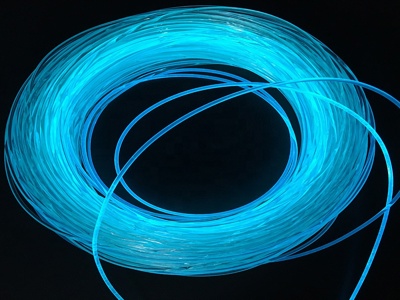
В современном мире моды и текстильной промышленности синтетические ткани занимают всё более prominentное место. Они не только предлагают unprecedentedный комфорт, но и открывают новые горизонты для стиля и инноваций. В этой статье мы глубоко погрузимся в мир синтетических тканей, исследуя их историю, преимущества, challenges и будущее. Откройте для себя, как эти материалы transformируют нашу повседневную жизнь, делая её более удобной, модной и sustainable.
Синтетические ткани, такие как полиэстер, нейлон, спандекс и акрил, появились в середине XX века как продукт химических innovation. Изначально они воспринимались как дешёвая альтернатива натуральным материалам, но со временем их reputation кардинально изменилась. Благодаря advances в technology, синтетические ткани теперь ассоциируются с high performance, durability и versatility. Они используются в everything от спортивной одежды до haute couture, демонстрируя, что комфорт и стиль могут идти hand in hand.
Ключевой момент: Синтетические ткани не просто imitation натуральных — они offer unique свойства, которые невозможно achieve с traditional materials.
История синтетических тканей начинается с invention нейлона в 1935 году компанией DuPont. Этот материал revolutionised индустрию чулок и later стал использоваться в military applications during World War II. В 1950-х годах появился полиэстер, который quickly gained popularity due to its wrinkle-resistance and easy care. С течением decades, innovation продолжилась: developments в fiber technology привели к creation таких материалов как микрофибра, which offers superior softness and moisture-wicking properties.

В 1970-х и 1980-х годах синтетические ткани became synonymous with disco fashion and athletic wear, thanks to their stretchability and vibrant colors. Today, они integral part of sustainable fashion movements, with recycled polyester and bio-based synthetics leading the charge. Эта evolution показывает, как synthetic fabrics have adapted to changing consumer demands and environmental concerns.
Одним из главных advantages синтетических тканей является их ability to provide exceptional comfort. Materials like spandex offer excellent elasticity, allowing for freedom of movement without sacrificing fit. Это особенно важно в activewear и everyday clothing, где mobility key. Additionally, синтетические ткани often lightweight and breathable, making them ideal for warm weather or intense physical activity.
"Синтетические ткани позволяют мне чувствовать себя comfortable и confident в любой ситуации, от утренней пробежки до вечернего выхода." — Анастасия, fashion enthusiast.
Moreover, эти materials highly durable and resistant to wear and tear. Они less prone to fading, shrinking, or stretching compared to natural fibers like cotton or wool. Это means that clothing made from synthetic fabrics can last longer, reducing the need for frequent replacements and contributing to a more sustainable wardrobe. В combination with easy care — many synthetics are machine-washable and quick-drying — они offer practical benefits that enhance daily life.
Синтетические ткани have revolutionized the fashion industry by enabling designs that were previously impossible. Their versatility allows for a wide range of textures, colors, and finishes. For example, metallic finishes or holographic effects can be easily achieved with synthetic materials, adding a futuristic touch to outfits. Designers like Iris van Herpen and Alexander McQueen have famously used synthetics to create avant-garde pieces that push the boundaries of art and fashion.

Beyond aesthetics, synthetics facilitate functional fashion. Techwear, a trend that combines style with utility, relies heavily on synthetic fabrics for features like water resistance, windproofing, and integrated technology (e.g., smart fabrics with sensors). This blend of form and function makes synthetic tissues indispensable in modern apparel, catering to consumers who value both looks and performance.
While synthetic tissues offer numerous benefits, they have also faced criticism for environmental impact, particularly regarding microplastic pollution and non-biodegradability. However, the industry is responding with innovations aimed at sustainability. Recycled polyester, made from post-consumer plastic bottles, is becoming increasingly common, reducing waste and resource consumption. Bio-based synthetics, derived from renewable sources like corn or sugarcane, are also emerging as eco-friendly alternatives.
Важно: Выбор recycled или bio-based синтетических тканей может significantly reduce environmental footprint.
Furthermore, advancements in recycling technologies are making it possible to闭环 recycle synthetic fabrics, where old clothing is transformed into new fibers without downcycling. Initiatives like the Circular Fashion Partnership are promoting this approach, encouraging brands and consumers to participate in a more sustainable textile economy. By embracing these changes, synthetic tissues can continue to thrive while minimizing harm to the planet.
Синтетические ткани ubiquitous in various applications beyond fashion. In sportswear, materials like moisture-wicking polyester help athletes stay dry and comfortable during exertion. In outdoor gear, synthetics provide insulation and weather protection, as seen in jackets and tents. Even in healthcare, synthetic fibers are used in bandages, surgical gowns, and other medical textiles due to their hygiene and durability.
"Как профессиональный спортсмен, я rely on synthetic fabrics for their performance-enhancing properties. Они keep me cool, dry, and focused on the game." — Иван, football player.
The integration of technology into textiles is another exciting frontier. Smart fabrics embedded with sensors can monitor health metrics, while phase-change materials regulate temperature based on environmental conditions. These innovations demonstrate how synthetic tissues are not just about appearance but about enhancing functionality in everyday life.
The future of synthetic tissues looks promising, with trends pointing towards greater sustainability, customization, and technological integration. Expect to see more bio-fabricated materials that mimic natural fibers but with improved properties. Digital printing and 3D knitting will allow for personalized clothing made on-demand, reducing waste. Additionally, as awareness of environmental issues grows, consumers will demand transparency and eco-friendly options, driving further innovation in the sector.

Collaborations between fashion brands, tech companies, and environmental organizations will likely accelerate these developments. For instance, partnerships focused on creating closed-loop systems for synthetic textile production could become standard, ensuring that resources are reused efficiently. Ultimately, the new era of synthetic tissues will be characterized by a balance between comfort, style, and responsibility towards the environment.
Синтетические ткани прошли long путь от simple alternatives до cornerstone современной моды и functionality. Они offer unmatched comfort, enable bold style statements, and are evolving to meet environmental challenges. By choosing high-quality, sustainable options, consumers can enjoy the benefits of these materials while supporting a greener future. Whether you're an athlete, a fashion lover, or simply someone who values practicality, synthetic tissues have something to offer. Embrace this new era — where comfort and style truly come together.
Thank you for reading this comprehensive exploration of synthetic tissues. We hope it has inspired you to appreciate the innovation and potential behind these remarkable materials. For more insights, stay tuned to our blog and follow the latest trends in textile technology.