


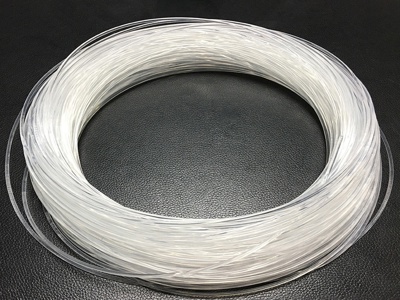
В современном мире спорта, где каждый миллиметр и секунда имеют значение, экипировка играет ключевую роль в достижении высоких результатов. Среди множества материалов, используемых в производстве спортивной одежды и аксессуаров, высокоэластичные волокна выделяются как незаменимый компонент. Их уникальные свойства — эластичность, прочность, комфорт и адаптивность — делают их фундаментальными для повышения производительности, снижения травматизма и обеспечения удобства спортсменов. В этой статье мы глубоко погрузимся в мир высокоэластичных волокон, исследуя их научные основы, практические применения в различных видах спорта, преимущества, современные технологии и будущие тенденции. Мы также рассмотрим, как эти волокна влияют на психологию спортсменов и почему они стали стандартом в индустрии спортивной экипировки.
Спортивная экипировка прошла долгий путь от простых хлопковых футболок и шерстяных свитеров до высокотехнологичных комплектов, оснащенных умными датчиками и инновационными тканями. В начале 20 века материалы были в основном натуральными — хлопок, шерсть, лен — которые обеспечивали базовый комфорт, но часто были тяжелыми, недышащими и склонными к деформации. С развитием синтетических волокон, таких как нейлон и полиэстер, в середине века, спортивная одежда стала легче и прочнее. Однако настоящий прорыв произошел с внедрением высокоэластичных волокон, таких как спандекс (эластан) и его производные, которые революционизировали индустрию.
Высокоэластичные волокна, характеризуемые способностью растягиваться до 500-700% от своей исходной длины и возвращаться к первоначальной форме, появились в 1950-х годах благодаря работам химика Джозефа Шиверса. Первоначально использовавшиеся в женской одежде, они быстро нашли применение в спорте, где требования к подвижности и комфорту были особенно высоки. Сегодня эти волокна интегрированы в практически every aspect of спортивной экипировки — от компрессионных штанов и майок до обуви и аксессуаров. Их незаменимость проистекает из способности обеспечивать идеальную посадку, поддержку мышц, улучшение кровообращения и снижение усталости, что напрямую correlates с улучшением athletic performance.
В контексте современного спорта, где margins between victory and defeat are incredibly thin, high-elastic fibers offer a competitive edge. For instance, in running, elastic compression wear can reduce muscle oscillation, thereby decreasing energy expenditure and enhancing endurance. In team sports like football or basketball, jerseys made with elastic materials allow for greater range of motion without restricting movement. Moreover, the psychological benefit of wearing comfortable, form-fitting gear cannot be overstated — it boosts confidence and focus, which are crucial in high-pressure situations.
As we delve deeper, it becomes clear that high-elastic fibers are not just a trend but a fundamental element of sports equipment design. Their integration has been driven by advancements in material science, consumer demand for performance-enhancing products, and a growing awareness of the importance of ergonomics in sports. This article will explore these aspects in detail, providing a comprehensive analysis of why these fibers are indispensable.
Чтобы понять, почему высокоэластичные волокна так эффективны в спортивной экипировке, необходимо обратиться к их научным основам. Эластичность — это свойство материала возвращаться к своей исходной форме после деформации. В случае волокон, это достигается за счет их молекулярной структуры. Высокоэластичные волокна, такие как эластан (известный под торговыми марками Lycra или Spandex), состоят из длинных полимерных цепей, которые могут растягиваться и сжиматься благодаря слабым межмолекулярным силам и сегментам жесткости и гибкости в их структуре.
Молекулы эластана arranged in a way that allows them to unfold under tension and then recoil when the force is removed. This is due to the presence of polyurethane segments, which provide elasticity, and other components that add durability. The elasticity is measured in terms of modulus — the force required to stretch the fiber. High-elastic fibers have a low initial modulus, meaning they stretch easily with little force, but they also have high recovery, ensuring they don't lose shape over time. This property is crucial in sports, where repeated movements can cause ordinary materials to sag or warp.
Кроме того, эластичность часто комбинируется с другими свойствами, такими как влагоотведение, воздухопроницаемость и прочность, через blending with other fibers like polyester or nylon. For example, a typical sports fabric might consist of 80% polyester for wicking and durability and 20% spandex for stretch. This synergy allows for fabrics that are not only stretchy but also functional in managing sweat, regulating temperature, and resisting abrasion. The science behind this involves textile engineering, where fibers are spun, woven, or knitted into fabrics with specific properties tailored to athletic needs.
Research in material science continues to push the boundaries. Recent developments include bio-based elastic fibers derived from renewable sources, which offer sustainability benefits without compromising performance. Additionally, smart elastic fibers embedded with sensors can monitor physiological data like heart rate or muscle activity, providing real-time feedback to athletes. These advancements highlight how the fundamental science of elasticity is evolving to meet the demands of modern sports.
In summary, the science of high-elastic fibers is rooted in polymer chemistry and textile technology. Their ability to stretch and recover makes them ideal for dynamic movements in sports, while ongoing innovations ensure they remain at the forefront of equipment design. Understanding this basis helps appreciate why they are so valued in athletic gear.
Высокоэластичные волокна нашли широкое применение в virtually every sport, each with unique requirements that these materials meet effectively. Let's explore some key examples.
In endurance sports like running, cycling, or triathlon, compression wear made from elastic fibers is ubiquitous. These garments apply graduated pressure to limbs, which studies suggest can improve blood flow, reduce muscle fatigue, and enhance recovery. For instance, compression socks or tights help stabilize muscles during long runs, minimizing micro-tears and soreness. The elasticity ensures a snug fit that moves with the body, preventing chafing and discomfort. Brands like Nike and Under Armour have developed specialized lines using advanced elastic blends that cater to these needs.
In team sports such as soccer, basketball, or rugby, jerseys and shorts incorporate elastic fibers to allow for unrestricted movement. Soccer players, for example, need to sprint, jump, and change direction quickly; elastic materials in their kits ensure that clothing doesn't impede these actions. Moreover, these fabrics are often treated with moisture-wicking finishes to keep players dry and comfortable during intense matches. The integration of elasticity also aids in the fit of protective gear like shin guards or shoulder pads, which can be secured without bulkiness.
For water sports like swimming or surfing, elastic fibers are used in wetsuits and swimwear to provide flexibility and reduce drag. Neoprene, a common material in wetsuits, often includes elastic components to allow for easy movement in water. In swimwear, high-elastic fabrics like those from Speedo are designed to compress the body for hydrodynamic efficiency, helping swimmers cut through water with less resistance.
In winter sports, such as skiing or snowboarding, base layers made from elastic materials offer insulation and mobility. These layers fit closely to the body, trapping heat while allowing for a full range of motion essential for navigating slopes. Additionally, outer shells may incorporate elastic elements at cuffs and hems to create seals against snow and wind.
Even in less intense activities like yoga or Pilates, elastic fibers are crucial for outfits that need to stretch in all directions without losing shape. This versatility demonstrates how high-elastic fibers have become a staple across the sports spectrum, tailored to specific athletic demands through innovative design and material combinations.
The benefits of high-elastic fibers in sports equipment are multifaceted, impacting comfort, performance, and safety in profound ways.
Comfort is perhaps the most immediate advantage. Elastic fabrics conform to the body's contours, eliminating loose fabric that can cause irritation or distraction. This second-skin feel enhances the overall athletic experience, allowing athletes to focus solely on their activity. Moisture management is another key aspect; many elastic blends are designed to wick sweat away from the skin, keeping the wearer dry and reducing the risk of blisters or rashes. Temperature regulation is also improved, as these fabrics can breathe well, preventing overheating during exertion.
In terms of performance, high-elastic fibers contribute to efficiency and endurance. By providing support to muscles, they reduce oscillation and vibration, which can lead to energy conservation. For example, in running, compression gear has been shown to decrease perceived exertion and improve running economy. The flexibility of these materials enables a greater range of motion, which is essential in sports requiring agility, such as gymnastics or martial arts. This can lead to better technique and fewer restrictions during movement.
Safety is another critical benefit. Elastic materials can help prevent injuries by stabilizing joints and muscles. In contact sports, they allow for the integration of padding without sacrificing mobility, reducing the impact of collisions. Additionally, the durability of these fibers means that equipment lasts longer, maintaining its protective qualities over time. Some advanced elastic fabrics are even designed with antimicrobial properties to inhibit odor and bacteria growth, promoting hygiene during prolonged use.
Psychologically, wearing well-fitting, high-performance gear can boost an athlete's confidence. Knowing that their equipment is optimized for their sport can reduce anxiety and enhance mental focus, which is often a determining factor in competition outcomes.
Overall, the advantages of high-elastic fibers make them indispensable for athletes at all levels, from amateurs to professionals, by enhancing comfort, boosting performance, and ensuring safety.
The production of high-elastic fibers has seen significant technological advancements, driven by demands for better performance, sustainability, and functionality.
Traditional methods involve extruding polymer solutions to create fibers, but modern techniques have refined this process. For instance, solution spinning and melt spinning are used to produce fibers with consistent elasticity and strength. Innovations in chemical engineering have led to the development of new elastomers that offer improved properties, such as higher stretch recovery or resistance to UV degradation. Companies like Invista (maker of Lycra) continuously invest in R&D to create fibers that meet specific athletic needs, such as Lycra Sport with enhanced moisture management.
Blending technologies have also evolved. By combining elastic fibers with others like polyester, nylon, or even natural fibers like cotton, manufacturers can create fabrics that balance stretch with other desirable traits. For example, a blend might include recycled materials to appeal to eco-conscious consumers without compromising on elasticity. Digital knitting and weaving machines allow for precise control over fabric structure, enabling the creation of zones with varying elasticity within a single garment — such as more stretch in the shoulders for mobility and less in the torso for support.
Smart textiles represent the cutting edge of innovation. Elastic fibers can now be integrated with electronic components, such as conductive threads for heart rate monitoring or temperature sensors. These smart garments provide real-time data to athletes and coaches, enabling personalized training adjustments. Additionally, phase-change materials (PCMs) can be incorporated into elastic fabrics to regulate temperature actively, absorbing excess heat during activity and releasing it when needed.
Sustainability is a growing focus. Bio-based elastic fibers, derived from sources like castor oil, are becoming more common, reducing reliance on petroleum-based products. Recycling programs for elastic apparel are also emerging, addressing the environmental impact of textile waste.
These technological strides ensure that high-elastic fibers remain at the forefront of sports equipment innovation, offering ever-improving performance and adaptability to future trends.
Looking ahead, the role of high-elastic fibers in sports equipment is poised to expand further, driven by trends in customization, sustainability, and technology integration.
Customization will become increasingly important. With advancements in 3D knitting and printing, athletes may soon be able to order gear tailored precisely to their body measurements and movement patterns. This could involve elastic fabrics with variable stretch patterns optimized for individual biomechanics, enhancing performance and comfort uniquely.
Sustainability will continue to shape the industry. As consumers demand greener products, we can expect more elastic fibers made from renewable or recycled materials. Lifecycle assessments will become standard, ensuring that products are not only high-performing but also environmentally friendly. Innovations in circular economy models, where old elastic apparel is recycled into new fibers, will gain traction.
Technology integration will reach new heights. The Internet of Things (IoT) will enable elastic garments to connect with other devices, providing comprehensive health and performance analytics. Imagine a jersey that not only stretches with you but also tracks your vitals and suggests adjustments in real-time. Artificial intelligence could analyze data from these garments to prevent injuries by predicting fatigue or improper form.
Additionally, we may see the development of adaptive elastic materials that change properties in response to environmental conditions. For example, fabrics that become more compressive when muscles are fatigued or that adjust insulation based on temperature. These smart materials could revolutionize how athletes interact with their gear.
In summary, the future of high-elastic fibers in sports is bright, with innovations focused on personalization, eco-friendliness, and intelligence. These trends will ensure that these fibers remain indispensable, continually elevating the standards of athletic equipment.
В заключение, высокоэластичные волокна доказали свою незаменимость в спортивной экипировке благодаря своим уникальным свойствам — эластичности, комфорту, и функциональности. От научных основ до практических применений в various sports, these fibers enhance performance, safety, and overall athlete experience. As technology advances, they will continue to evolve, incorporating sustainability and smart features to meet the demands of future athletes.
Whether you're a professional competitor or a weekend enthusiast, investing in gear with high-elastic fibers is a step toward better results and greater enjoyment. Their ability to adapt to the dynamic nature of sports makes them a cornerstone of modern athletic equipment, and their importance will only grow in the years to come.
Embrace the stretch — it might just be the edge you need.