


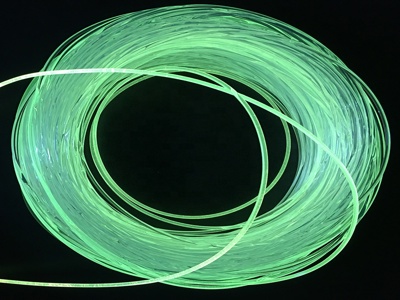
В современном мире, где технологии стремительно развиваются, а требования к безопасности и долговечности материалов постоянно растут, кремниевые волокна emerge как настоящий прорыв. Эти удивительные волокна, изготовленные из высококачественного кремния, обладают уникальными свойствами, которые делают их незаменимыми в различных отраслях, от строительства до аэрокосмической индустрии. В этой статье мы погрузимся в глубины науки и практики, чтобы раскрыть все секреты кремниевых волокон и показать, как они могут обеспечить прочное и устойчивое будущее для всего человечества.
Кремниевые волокна – это тонкие, высокопрочные нити, созданные на основе кремния, одного из самых распространенных элементов на Земле. Их производство involves сложные технологические процессы, такие как вытягивание из расплава или химическое осаждение, которые позволяют достичь невероятной прочности и гибкости. Эти волокна обладают exceptional механическими свойствами: они lightweight, устойчивы к высоким температурам, коррозии и износу, что делает их идеальными для армирования композитных материалов.
История кремниевых волокон берет начало в середине XX века, когда ученые начали экспериментировать с кремниевыми материалами для улучшения свойств стекла и керамики. С течением времени, advances в nanotechnology и материаловедении позволили создать волокна с контролируемой структурой и enhanced performance. Сегодня они используются в everything от reinforced concrete до advanced composites в авиации и automotive industry.
Why are они так crucial? Потому что в era изменения климата и растущего населения,我们需要 материалы, которые не только strong и durable, но и eco-friendly. Кремниевые волокна offer sustainable solution, так как кремний abundant и легко recyclable, reducing environmental impact compared to traditional materials like steel or carbon fibers.
Прочность кремниевых волокон обусловлена их molecular structure. Кремний forms covalent bonds with oxygen, creating a robust silicon-oxygen network that provides high tensile strength and stiffness. При добавлении в composites, эти волокна act as reinforcement, distributing loads evenly and preventing crack propagation. Это similar to how steel rebars work in concrete, but with superior properties: higher strength-to-weight ratio, better resistance to fatigue, and enhanced durability under extreme conditions.
Studies have shown that composites with кремниевые волокна can achieve tensile strengths up to 5 GPa, что significantly higher than many metals. Кроме того, их thermal stability allows them to maintain integrity at temperatures exceeding 1000°C, making them ideal for applications in aerospace and energy sectors. For example, in jet engines or nuclear reactors, где materials must withstand intense heat and radiation, кремниевые волокна provide a critical advantage.
Another key aspect is their chemical inertness. Они resistant to acids, alkalis, and other corrosive agents, which extends the lifespan of structures and reduces maintenance costs. This is particularly important in marine environments or industrial settings, where corrosion is a major issue.
В строительной индустрии, кремниевые волокна transforming the way we build. Они used to reinforce concrete, asphalt, and other construction materials, significantly enhancing their mechanical properties. For instance, concrete with embedded кремниевые волокна exhibits improved crack resistance, higher flexural strength, and better impact resistance. Это means buildings, bridges, and roads can last longer and withstand natural disasters like earthquakes or hurricanes more effectively.
Consider the example of seismic-resistant construction. В regions prone to earthquakes, traditional materials may fail under stress, but composites with кремниевые волокна absorb and dissipate energy, reducing damage and saving lives. Projects like the Tokyo Skytree in Japan或 Burj Khalifa in Dubai have incorporated advanced composites to achieve unprecedented heights and stability.
Moreover, кремниевые волокна contribute to sustainable construction. By increasing material efficiency, they reduce the amount of raw materials needed, lower carbon emissions during production, and enable lighter structures that require less energy for transportation and installation. This aligns with global goals for green building and carbon neutrality.
Beyond construction, кремниевые волокна find applications in diverse fields. In aerospace, они used in aircraft components, satellites, and space probes due to their light weight and high strength. For example, the Boeing 787 Dreamliner utilizes composite materials with silicon fibers to reduce weight and improve fuel efficiency.
In the automotive industry, these fibers enhance the performance of car parts, such as body panels and engine components, leading to safer and more efficient vehicles. Electric cars, in particular, benefit from lightweight materials that extend battery range.
Even in medicine, кремниевые волокна are used in biomedical devices, such as implants and surgical tools, because of their biocompatibility and strength. They can be engineered to promote tissue growth and reduce rejection rates.
The future of кремниевые волокна looks incredibly promising. With ongoing research in nanotechnology and smart materials, we can expect even more advanced versions with self-healing capabilities or integrated sensors for real-time monitoring of structural health. Imagine buildings that can repair themselves after damage or infrastructure that alerts maintenance teams before failures occur.
Global adoption is on the rise. Countries like China, the USA, and Germany are investing heavily in R&D to scale production and reduce costs. As prices become more competitive, кремниевые волокна will become accessible to a wider range of applications, from everyday consumer products to large-scale infrastructure projects.
However, challenges remain, such as the energy-intensive production process and the need for standardized regulations. Addressing these issues through innovation and collaboration will be key to unlocking the full potential of this technology.
В заключение, кремниевые волокна represent a cornerstone of modern materials science, offering unparalleled strength, durability, and sustainability. By integrating them into our systems, we can build a safer, more resilient world for generations to come. Whether you're an engineer, architect, or simply someone interested in the future of technology, understanding and adopting кремниевые волокна is essential for progress.
Take action today: explore how these fibers can benefit your projects, stay informed about the latest developments, and contribute to a future where innovation and sustainability go hand in hand. Вместе, мы можем создать прочное будущее с кремниевыми волокнами!